
Tooth extraction might feel overwhelming, especially when you need replacement teeth right away. Getting immediate dentures lets you leave our denture clinic with a new smile the same day your teeth are removed.
At Shreve Denture Clinic in Leamington, Ontario, we guide patients through tooth extraction and immediate denture placement with personalized treatment every step of the way. This article answers frequently asked questions and explains what to expect before, during, and after your procedure.
What Are Immediate Dentures?
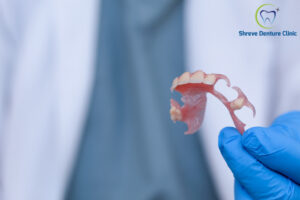
Immediate dentures are custom prosthetic teeth made before your natural teeth are removed. Your denturist places them in your mouth right after oral surgery, so you never spend a day without teeth. Traditional dentures require waiting several months for gum tissue to heal before fitting, but immediate dentures eliminate that gap.
The benefits go beyond appearance. Whether you need to replace many teeth or just a few, immediate dentures protect your extraction sites and let you eat and speak normally during recovery. Some patients choose partial dentures when only certain teeth need removal. Either way, these temporary dentures serve as a bridge until your gums heal enough for permanent dentures.
Immediate dentures also work as a protective bandage over the areas where extracted teeth once sat. They control bleeding, reduce swelling, and support healing gum tissue during the first critical days after surgery.
Before Your Extraction Day
Good preparation makes the difference between a stressful experience and smooth recovery. The weeks leading up to your procedure involve several steps that set you up for success.
Initial Consultation and Impressions
Your journey starts with a consultation at Shreve Denture Clinic. During this visit, your denturist examines your oral health, explains your treatment options, and answers your questions and concerns. For complex cases involving oral and maxillofacial issues, we may coordinate with maxillofacial surgeons before moving forward.
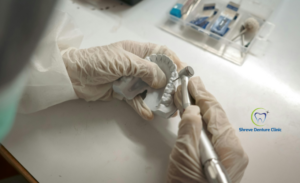
Your denturist takes detailed impressions while your natural teeth are still in place. These measurements create dentures designed to fit your mouth with precision. The dental lab uses these impressions to craft dentures matching your facial structure, skin tone, and preferred tooth appearance. Many patients enjoy choosing teeth that look natural rather than artificial.
Preparing Your Home and Schedule
The days before your procedure call for practical preparation. It’s important to stock your kitchen with soft foods for comfortable eating during recovery:
- Yogurt, pudding, and applesauce
- Scrambled eggs and mashed potatoes
- Lukewarm soups and broths
- Protein shakes and smoothies
- Soft pasta and tender vegetables
Plan to avoid foods requiring heavy chewing for at least the first week. Having meals ready lets you focus on healing instead of cooking.
Arrange a ride home after your procedure since sedation or local anesthesia affects reflexes and judgment. Avoid strenuous activity for at least 48 hours following surgery.
Your dentist will give you specific fasting instructions, especially if sedation is involved. Follow your dentist’s guidelines carefully to prevent complications.
What Happens on Extraction Day
Knowing what to expect helps reduce anxiety. When you arrive at Shreve Denture Clinic, your denturist reviews your treatment plan and makes sure you feel comfortable before starting.
After administering anesthesia, your denturist removes the designated teeth. You may feel pressure, but numbing medication prevents pain. Once the teeth are out, your immediate dentures go directly into your mouth. The process can take several hours depending on how many extractions you need.
Your new dentures do more than replace teeth. They apply gentle pressure to extraction sites to control bleeding and protect exposed gum tissue from food and bacteria. Think of them as both a tooth replacement and a healing aid.
Before leaving, your denturist explains follow-up care and schedules a follow-up appointment. Most patients return within 24 to 48 hours for their first adjustment.
Your First Week With Immediate Dentures
Recovery takes patience and attention to care instructions. Your mouth needs time to heal, and following guidelines closely leads to faster recovery with fewer problems.
The Critical First 24 Hours
Keep your immediate dentures in place the entire first day and night. You must wear them right after surgery without removing them. Taking them out too soon causes significant swelling, and you may be unable to reinsert them afterward. Forcing swollen gums back into dentures can damage healing tissue at your extraction sites.
During this period, avoid activities that disrupt healing:
- Do not use straws since suction dislodges blood clots
- Avoid smoking and tobacco products
- Do not spit forcefully
- Keep fingers and tongue away from extraction sites
Expect some discomfort, soreness, minor bleeding, and swelling during this phase. Take pain medications as directed to relieve discomfort. Cold compresses on your cheeks help reduce swelling.
Days Two Through Seven
After the first 24 hours, you can remove your dentures for cleaning. Use warm salt water rinses or antiseptic mouthwash to clean your mouth gently. Mix one teaspoon of salt in eight ounces of warm water and rinse without vigorous swishing.
Clean your dentures with a soft brush and mild soap or denture cleaner. Skip toothpaste since it scratches the surface. Handle dentures over a folded towel or water-filled basin to prevent damage if dropped.
Put your dentures back promptly after cleaning. Leaving them out too long allows gums to swell, making reinsertion difficult. It is important to take extra care during this phase as your mouth adjusts to the new appliance.
Continue eating soft foods throughout the week. Chew slowly and spread food evenly on both sides of your mouth. This balanced approach helps dentures fit securely and eases pressure on healing sites.
Long-Term Healing and Adjustments
Your mouth changes considerably in the months after extractions. As gum tissue heals and swelling goes down, your immediate dentures will loosen. This change is normal and expected.
Shreve Denture Clinic schedules regular check-ups to monitor healing and make necessary adjustments. These visits maintain proper fit and comfort as your mouth changes. Your denturist may perform relines, adding material to the denture base so dentures fit well against your reshaping gums.
Most patients move to permanent dentures after three to six months of healing. By then, gum tissue and jawbone have stabilized enough for custom-fitted permanent dentures. These final dentures offer a proper fit and last much longer than immediate dentures.
Practice speaking with your dentures during the healing period. Reading aloud helps you get used to the new appliance faster. Most patients regain normal speech and get back to normal activities within a few weeks.
Start Your Journey to a Confident Smile
Choosing the right denture provider affects your comfort, appearance, and long-term oral health. Shreve Denture Clinic brings over 85 years of combined dental experience to every patient. Our team understands the concerns that come with facing tooth extraction and immediate dentures.
We offer free consultations to discuss your options without pressure. You will meet experienced professionals who take time to answer your questions and explain every step.

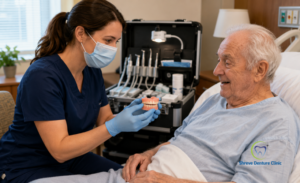
Shreve Denture Clinic provides same-day emergency services and mobile denture care for nursing home residents. Whether you need immediate dentures after tooth extraction or want to explore other solutions, our team delivers personalized care designed to keep you smiling.
Call 1-519-322-5900 today to schedule your free consultation and take the first step toward your confident new smile.
Our Leamington clinic serves patients across Essex County, including Kingsville, Essex, Harrow, Belle River, Wheatley, and Chatham-Kent.