New dentures begin as a soft impression of your gums. They finish as a full set of dentures you can chew, speak, and smile with. Several stages sit between those two points, and where that work happens decides how long you wait.
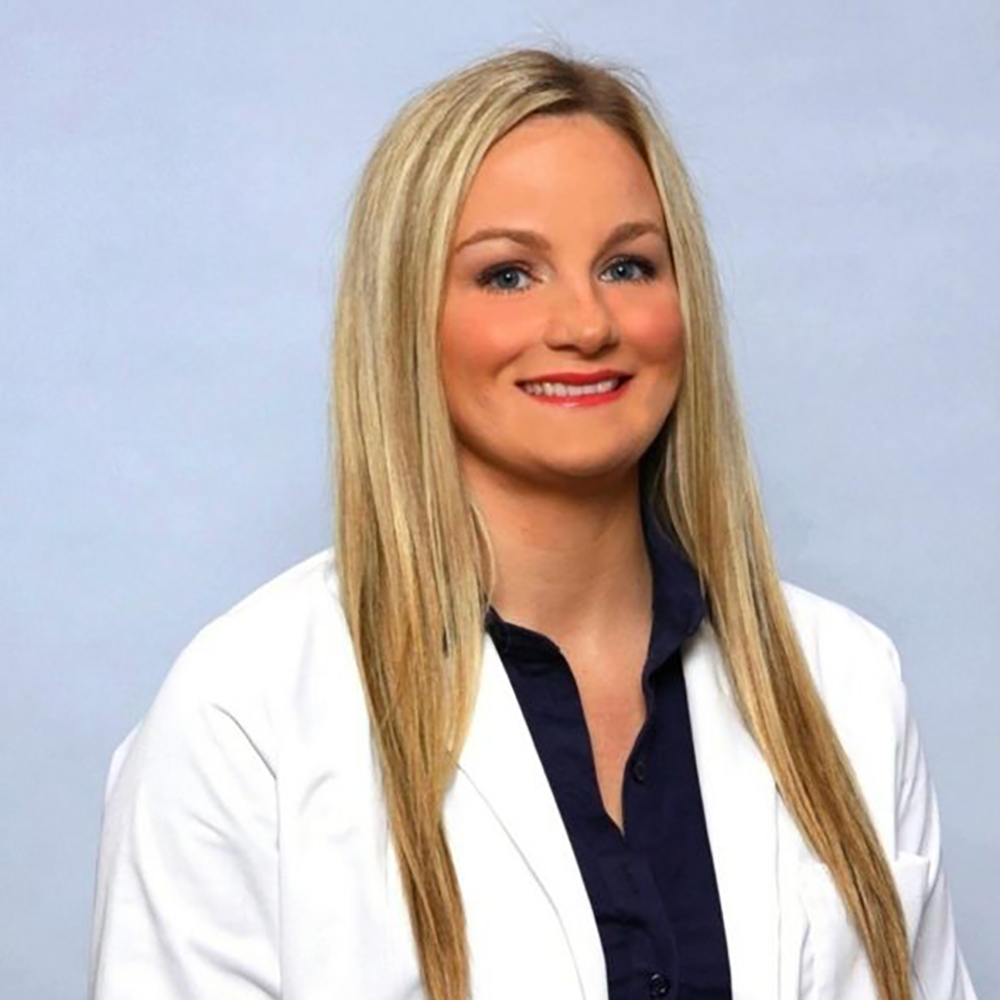
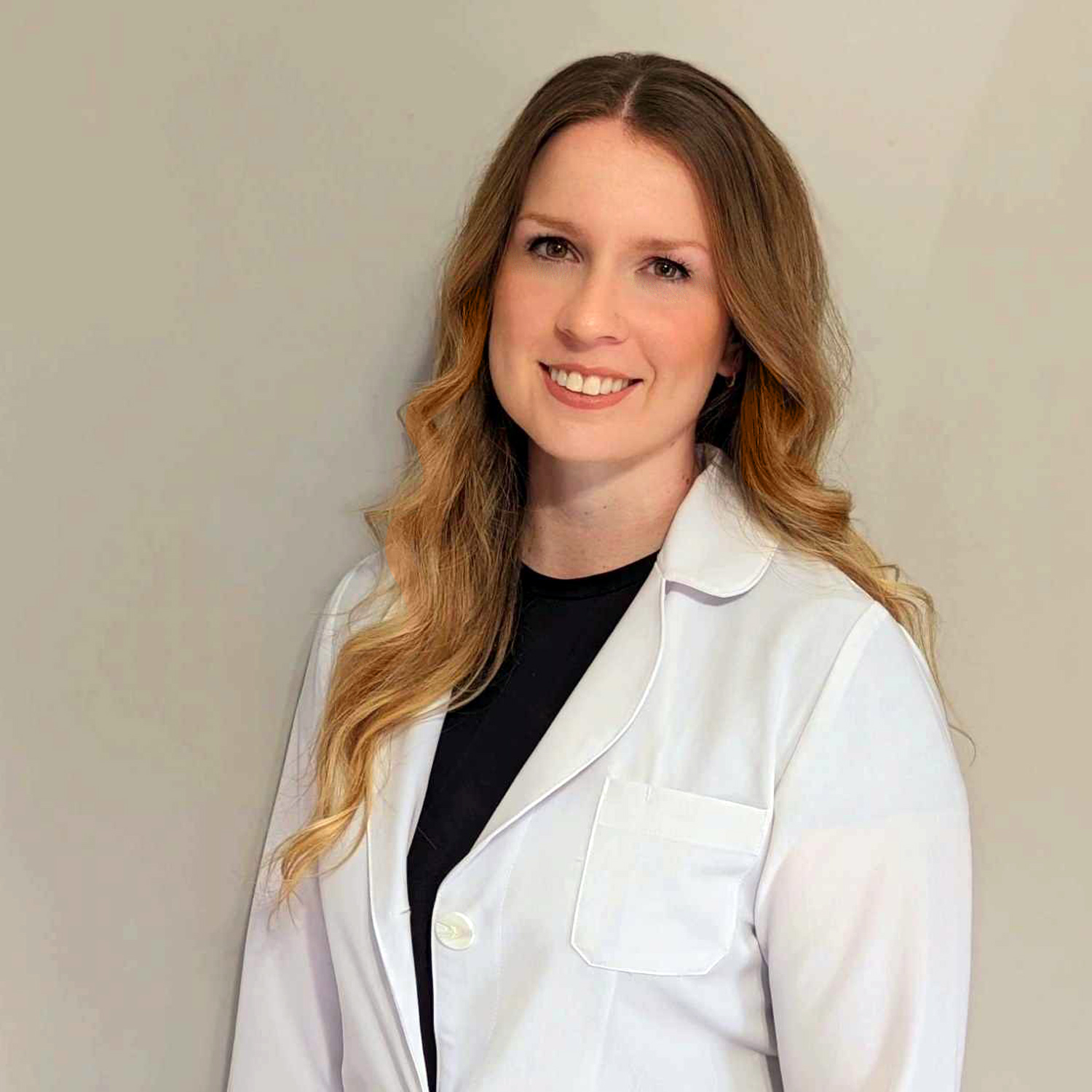
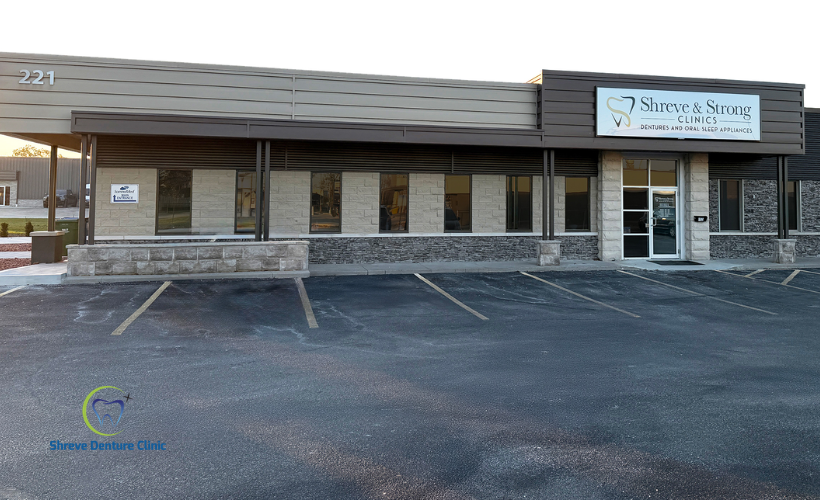
At Shreve Denture Clinic on Talbot St W in Leamington, our on-site denture lab sits inside the same building as our treatment rooms. Kristin Shreve Swayze, DD, and her team handle every stage themselves, from the first impression to the final polish. You wait less time, and corrections happen in real time, while you are still at the clinic.
Why an On-Site Denture Lab Shortens the Wait
Most dentists, who also dabble in dentures… send their denture work away to an outside laboratory in another city. Every handoff adds shipping days, and loss of a comfortable fit. Questions about shade, shape, or fit travel through a form instead of a direct conversation, and one misunderstanding or incorrect entry can push your delivery date out by another week.
Shreve’s on-site lab removes that gap. The technician who cures the acrylic works steps away from the denturist who recorded your original bite. A small change in tooth position or a request for a warmer shade gets handled the same afternoon. Shreve Denture Clinic built its practice around this quality setup, and patients notice the difference in five ways:
- Faster turnaround: Cases move between stages in hours rather than waiting on shipping schedules.
- Denture repairs and same-day relines: A cracked plate or a loose fit often gets resolved within a single visit.
- Direct quality control: The person who took your impression reviews the finished work before it reaches your mouth.
- Immediate adjustments: Small refinements happen during your appointment instead of at a follow-up two weeks later.
- Patient Care: The direct communication, and care our patients receive is both discreet and caring. Your needs are met immediately by our staff.
The Denturists Behind the Work
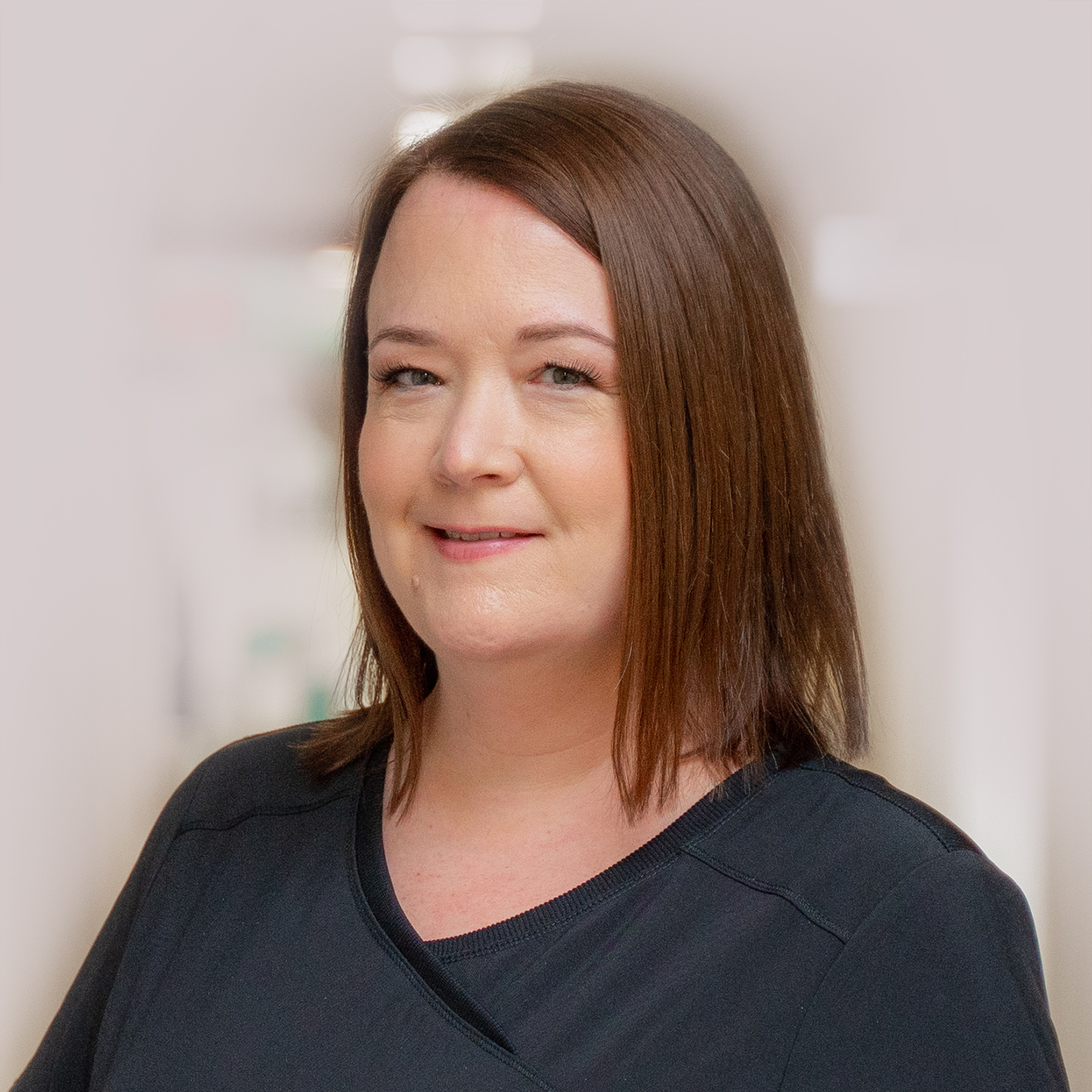
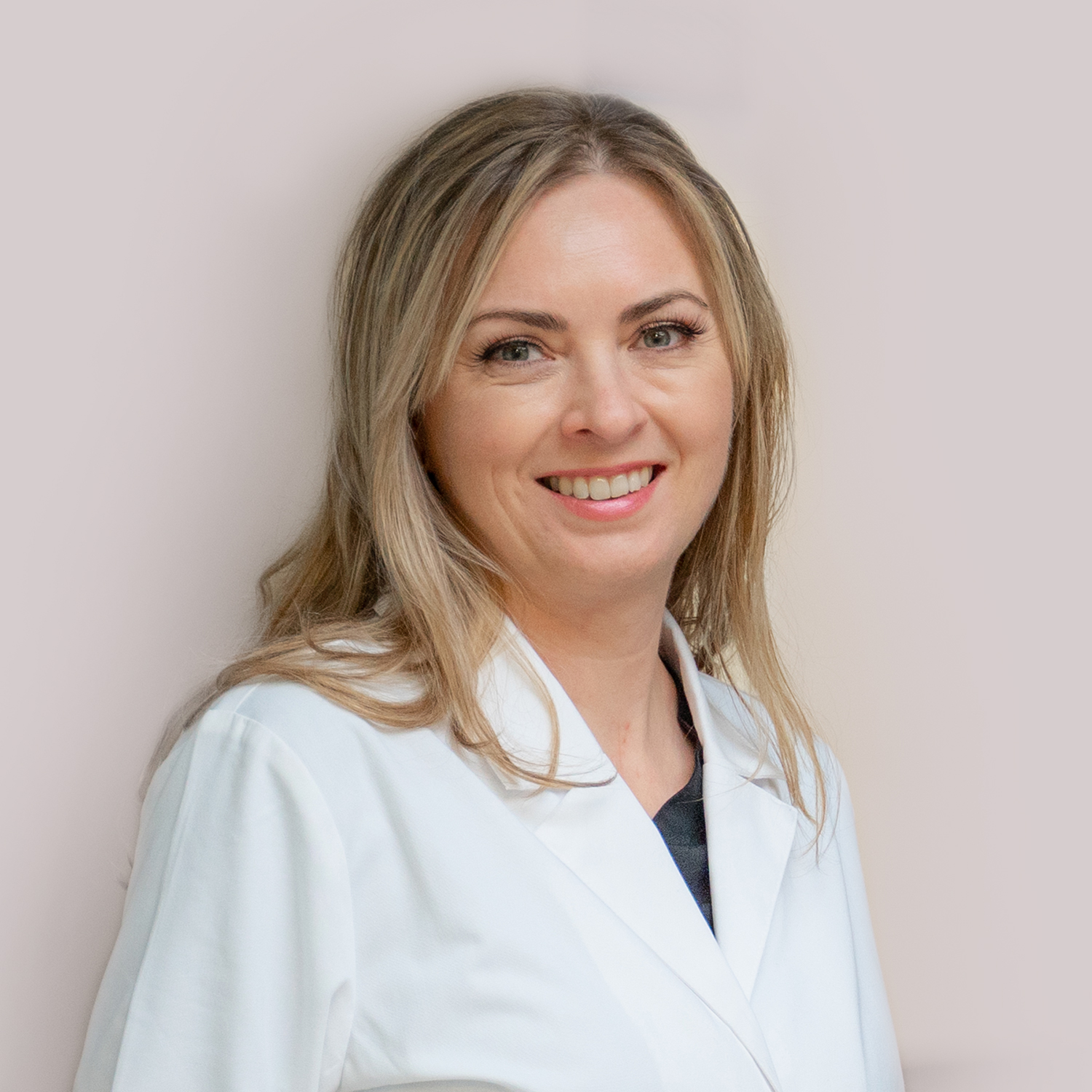
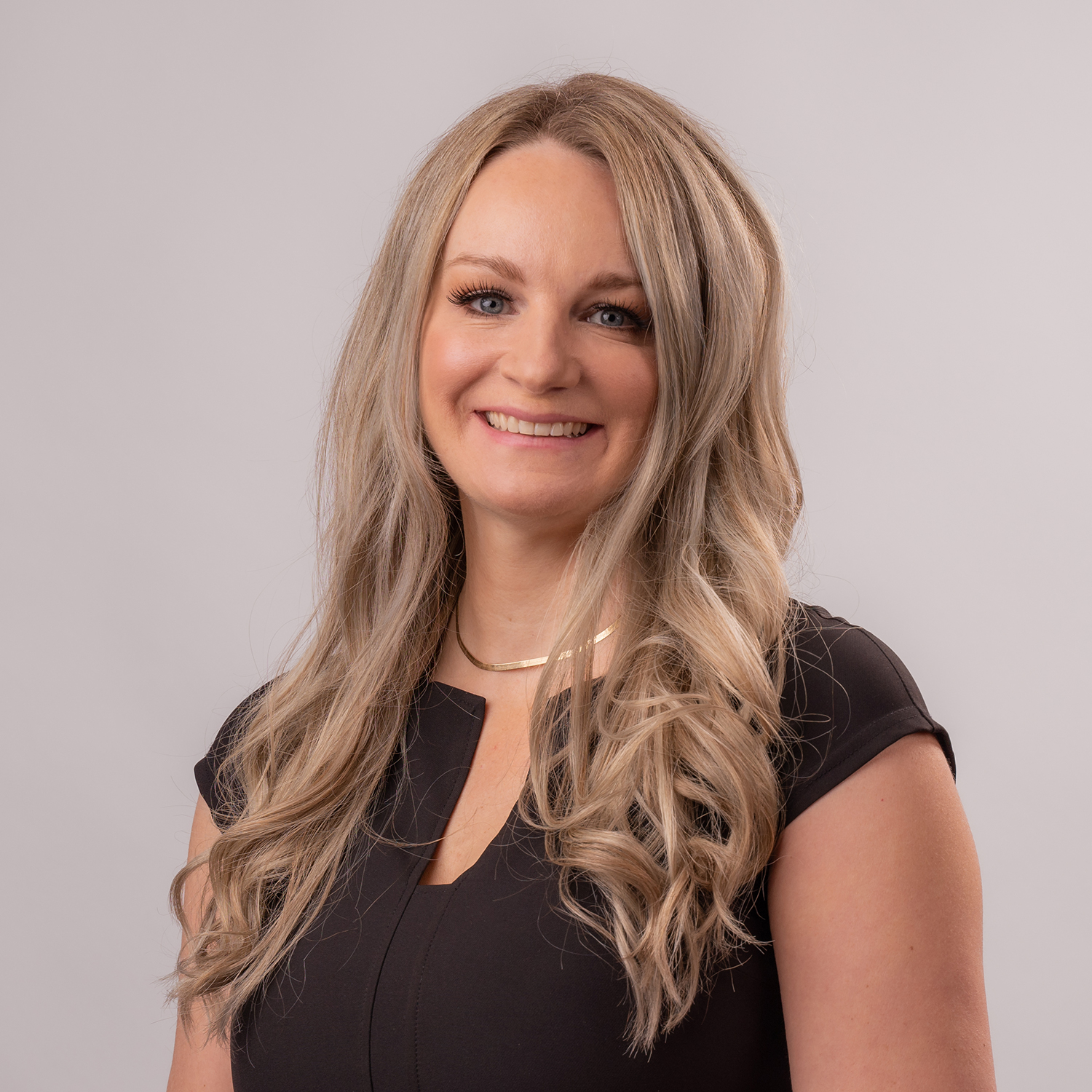
Lab quality depends on the people running it. Kristin completed the dental assisting program at Fanshawe College in 2003, then studied denturism at George Brown College and graduated in 2006. She opened the clinic in 2010. The denturists and technicians here bring a combined 85 years of dental experience to patients in Leamington and across the Windsor-Essex region of Ontario.
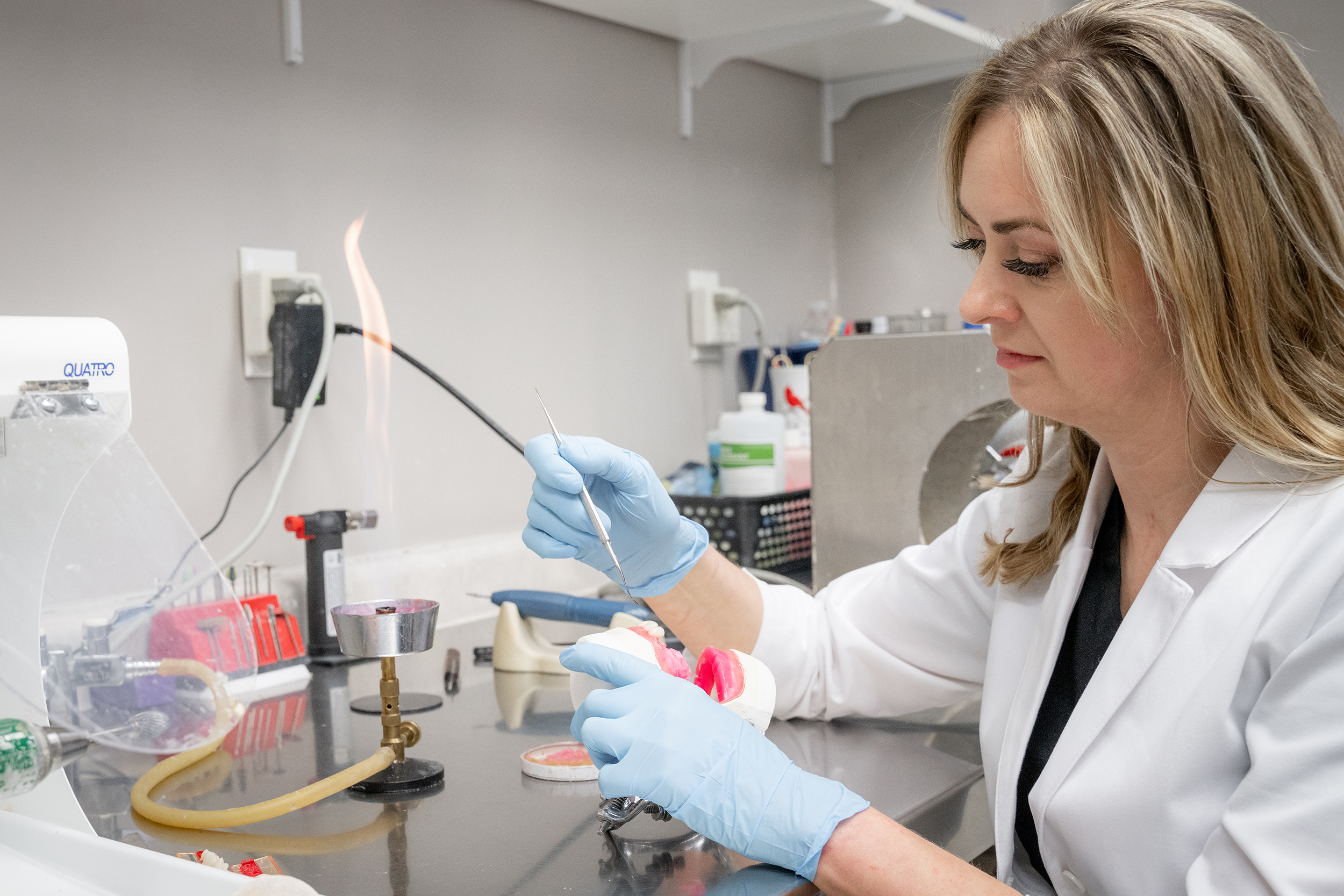
The Step by Step Process Behind a New Set of Dentures
Denture fabrication follows a set order. Each stage builds on the measurements taken in the stage before it. Skip a step or rush an appointment, and the mistake shows up later as a sore spot or a denture that slips.
Step 1: The Initial Consultation and Assessment
Your first visit costs nothing and requires no referral. The denturist examines your gums, any remaining teeth, the ridges of bone that will support the denture, and any appliance you wear now. You then describe what you want. Most patients arrive worried about looking obviously false, and they want dentures that look like the teeth they remember. That conversation sets the aesthetics of the case, including tooth shape, size, and tooth shade.
Step 2: Preliminary and Final Impressions
The denturist takes a first impression with a standard tray to capture the general shape of your ridges. The lab pours that mold into a plaster model and builds a second tray shaped to your mouth alone. A second impression in that custom tray records the fine detail: where your cheek muscle attaches, the slope of your palate, the exact contour of the ridge. That detail creates suction, and suction is what holds a finished denture in place.
Step 3: Bite Registration and Jaw Relation Records
The lab builds wax blocks on plastic bases that sit on your models. The denturist uses these blocks to record how your upper and lower jaws meet, how much tooth shows when you smile, and where your lip line falls. These measurements restore the facial height that tooth loss takes away, which prevents the sunken look around the mouth.
Step 4: The Wax Try-In
Technicians set individual artificial teeth into wax, following the records from your last visit. You try this version in your mouth and see how the dentures look before anything becomes permanent. Speak with it, smile in the mirror, and say plainly what you want changed. Teeth can be moved, rotated, shortened, or swapped for a different shade at no cost at this point. After the next stage, changes get much harder.
Step 5: Processing and Acrylic Curing
Once you approve the try-in, the case goes into production. Technicians encase the wax denture in a stone mold, melt the wax out, and fill the empty space with acrylic resin. Controlled heat and pressure then harden that acrylic around the teeth and lock them into the base permanently. A rushed or overheated cycle leaves the acrylic full of tiny holes and slightly warped, which ruins the fit recorded in Step 2.
Step 6: Finishing, Polishing, and the Final Fitting
Technicians break the case out of the stone mold and trim away the excess acrylic around the edges. They shape the base to look like natural gum tissue, then polish it smooth. A rough surface traps food and bacteria, so polishing affects comfort and oral health alike. At this appointment, the denturist seats the denture, checks your bite with marking paper, and makes final adjustments to relieve pressure points.
How the Process Changes by Denture Type
The core sequence stays the same, but some cases add or shorten stages.
- Full dentures replace a full upper or lower set of teeth and follow the whole sequence above across several appointments.
- Partial dentures replace one or several missing teeth. The lab plans where the metal clasps grip your remaining natural teeth, so the framework holds itself in place without straining them.
- Immediate dentures are fabricated before your remaining teeth come out, so you never appear in public without teeth. The denturist predicts the healed ridge shape in advance, and the appliance almost always needs a reline within the first year as gums shrink.
- Implant-supported dentures snap onto posts anchored in the jawbone, which removes most of the movement patients dislike about a conventional denture.
That last option needs one clarification. A dental surgeon or dentist places the implants surgically. Shreve Denture Clinic designs, builds, and fits the denture that attaches to them, and Kristin advises on whether the option suits your case before you commit to surgery.
Same-Day Repairs and Relines
The same lab responsible for creating dentures also performs denture repairs on existing ones. A cracked base, a broken clasp, or a loose tooth is often fixed within hours instead of days. A reline works much the same way. The denturist takes a fresh impression inside your current denture, and the lab adds new material to the surface that rests against your gums. Your denture then fits the ridge you have today rather than the ridge you had five years ago. Ongoing denturist services like these are part of long-term denture care.
Patients from Kingsville, Essex, Harrow, Belle River, Wheatley, and Chatham-Kent drive in because the wait is measured in hours.
The First Weeks Wearing Your Dentures
Even a well-made denture needs an adjustment period. You produce more saliva at first, speech takes practice, and the tissue underneath toughens over several weeks. Most patients come back once or twice in the first month for small refinements. Those visits are a normal part of the process, not a sign that something went wrong. Call the clinic in these situations rather than adjusting anything yourself:
- A sore spot that has not settled after two or three days of wear.
- Any rocking, clicking, or slipping while you eat or speak.
- A crack, chip, or loose tooth in the base.
- Persistent redness, swelling, or a burning feeling in the tissue underneath.
Filing the acrylic at home removes more than you intend and turns a five-minute adjustment into a full remake.
Book a Free Consultation with Shreve Denture Clinic
Knowing how new dentures are made helps you ask better questions and recognize good work when you see it. Shreve Denture Clinic provides complete denture solutions under one roof, from the first impression through to your new teeth. Consultations are free, no referral is needed, and new patients are always welcome.

Call (519) 322-5900 or book your visit to find out how your new dentures should look and feel.