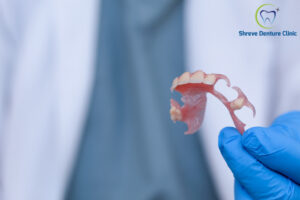

Denture Replacement in Leamington starts with one simple question. Can you keep your dentures and fix them, or is it time to replace your dentures with a new set? A reline, a rebase, a repair and a complete replacement each change a different part of your denture. When you know the difference, you can ask better questions at your appointment. This guide helps every denture wearer understand each option, spot the signs your dentures need attention and check their coverage. It also shows how Shreve Denture Clinic helps you decide with an in-person assessment.
How Long Do Dentures Last?
This guide does not give you one number. The answer that matters is the one for your own set of dentures. At Shreve Denture Clinic, that answer comes from an in-person exam, not from a general estimate online.
During the exam, the denturist checks four things to judge the remaining life of your dentures. These are their age and repair history, signs of wear on the denture teeth, the state of the denture material, and how well the denture stays in place when you eat and speak. Book this check whenever your denture feels different, even if it is fairly new.
Why Dentures Stop Fitting Over Time
Your dentures may rock, rub or slip out of place. When your dentures feel loose, the denturist checks three parts: the denture fit, the denture teeth and the base. The exam shows whether your dentures may need a reline, a repair or a new set. Our guide on why dentures become loose explains the common causes and the fixes we offer.
Reline, Rebase or Replace: Which One Do Your Dentures Need?
These services sound alike, but each one changes a different part of the denture. The table below shows what each service does at Shreve Denture Clinic. Use it to compare reline vs replacement at a glance.
| Service | What it changes | What stays the same |
|---|---|---|
| Reline | Adds new material to the fitting surface to improve the fit against your gums | The teeth and most of the base |
| Rebase | Replaces the entire denture base | Your current teeth |
| Repair | Fixes a crack, a break or a missing tooth | The rest of the denture |
| Replacement | Makes a completely new denture | Nothing, because you receive a new set |
The denturist examines the condition of the denture and asks what you have noticed. Then the denturist recommends one option. Not sure if you need a denture reline or a new set? Read our posts on why denture relines are necessary and when it is time to rebase your dentures.
When a Reline Is Enough
A denture reline is a procedure that reshapes the fitting surface. It keeps the teeth and base of your existing denture. A hard reline uses firm material. A soft reline uses a softer, more flexible lining. The denturist checks your denture first and explains which type suits you. The denturist also tells you whether a reline could extend the life of your existing denture.
When You Need a Full Replacement
A reline only works on the fitting surface. If the exam finds problems with the teeth or the base, the denturist explains whether a replacement is necessary. Shreve Denture Clinic makes full dentures, immediate dentures and implant-supported dentures. We also make partial dentures that fit around your natural teeth. Your new set can match the needs of your mouth today, not your needs from years ago.
Seven Signs You Need New Dentures
Watch for these signs at home. Each one means it may be time for an assessment. Only an in-person exam can confirm whether your dentures need to be replaced, relined or repaired.
- Your denture is many years old. An older denture deserves a check, even if it still feels comfortable.
- The teeth look flat or worn. Biting surfaces that once had clear points now look smooth.
- The base has cracks or past breaks. If you have an acrylic denture, check the base for cracks or chips.
- Your face looks different. The area around your mouth or lips looks more sunken than before.
- The fit keeps slipping. A loose denture clicks or moves, or you need more adhesive after each adjustment.
- Chewing or speaking feels harder. You avoid certain foods you used to enjoy, or some words sound different.
- Stains or odours stay after cleaning. You clean your dentures daily, but they no longer look or smell fresh.
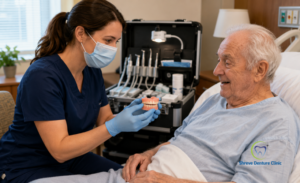
Replacement dentures for seniors follow the same assessment, whether tooth loss happened recently or decades ago. If you help an aging parent with their dentures, use this list to spot changes they may not mention.
What Happens to Your Mouth When You Wear Old Dentures Too Long
If you wear dentures every day, an old set can feel familiar. That makes it easy to put off getting new dentures. For this reason, the denturist checks more than the denture itself.
A denture replacement assessment at Shreve Denture Clinic, the denturist looks at how your denture sits on your gums and jawbone. The denturist also checks how your bite comes together. The exam looks for sore spots, redness or irritation where the denture rests. It also checks how much the denture moves when you bite and speak, how your upper and lower teeth meet, and how well the denture supports your lips and cheeks.
Tell the denturist about any signs of ill-fitting dentures, such as rubbing or slipping, even if they seem minor. For questions about your gums or your overall oral health, speak with your dentist or physician as well.
What New Dentures Cost in Ontario, and How CDCP and Workplace Benefits Help
This guide does not list prices, because the useful figure is the one for your own mouth. At your consultation, ask the Shreve Denture Clinic team to explain the cost of each option for your case. Options can include full dentures, partial dentures or dentures secured by implants. Ask about the cost of a reline, rebase or repair too. Then compare every path before you decide.
CDCP Coverage for Denture Replacement
If you have the Canadian Dental Care Plan (CDCP), visit the official CDCP pages on Canada.ca before your appointment. Confirm these details:
- Whether you are eligible for the plan
- Your coverage level and whether you owe a co-payment
- Whether your denture type needs approval before work begins
- Whether and how often the plan covers relines, repairs and new dentures
Our CDCP denture guide has more detail. When you book, ask our team whether the clinic can process your CDCP claim.
Checking Your Workplace Benefits
If you have dental coverage through work, read your plan booklet or call your insurer before you book. Look for two details. First, find the dates of your benefit year. Second, find any limit on how often the plan pays for new dentures. These two details help you pick the best time to start a new set.
How the On-Site Lab Speeds Up Your Replacement
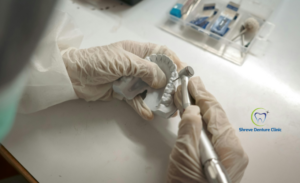
Shreve Denture Clinic has its own dental lab on site. Your impressions, fittings and adjustments all happen in one building. The denturist and the lab work side by side on your case. If a fitting shows that your denture needs a change, the lab can make the adjustment close to your chair.
The lab also handles same-day denture repairs and relines. This helps if your current denture needs attention while you wait for a new set. See how new dentures are made in our lab. At your consultation, ask the team for a timeline for your case.
Book Your Denture Replacement Consultation at Shreve Denture Clinic
Do your dentures no longer fit? Do they look worn, have cracks or simply feel old? An assessment tells you whether to repair or replace them. Shreve Denture Clinic provides complete denture services and denture care for patients from Leamington and nearby communities:
- Leamington, Kingsville and Wheatley
- Essex, Harrow and Belle River
- Chatham-Kent
Call (519) 322-5900 or visit us at 221 Talbot St W Unit A, Leamington, ON N8H 1N8. You can also read how our consultation works before your visit.

Your Denture Replacement starts with one visit. Book your assessment for denture replacement in Leamington with Shreve Denture Clinic. You will leave knowing whether a reline, a repair or a new set is right for you.