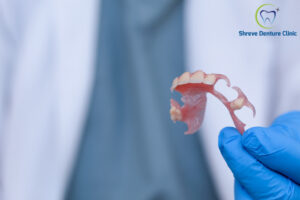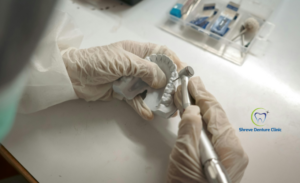
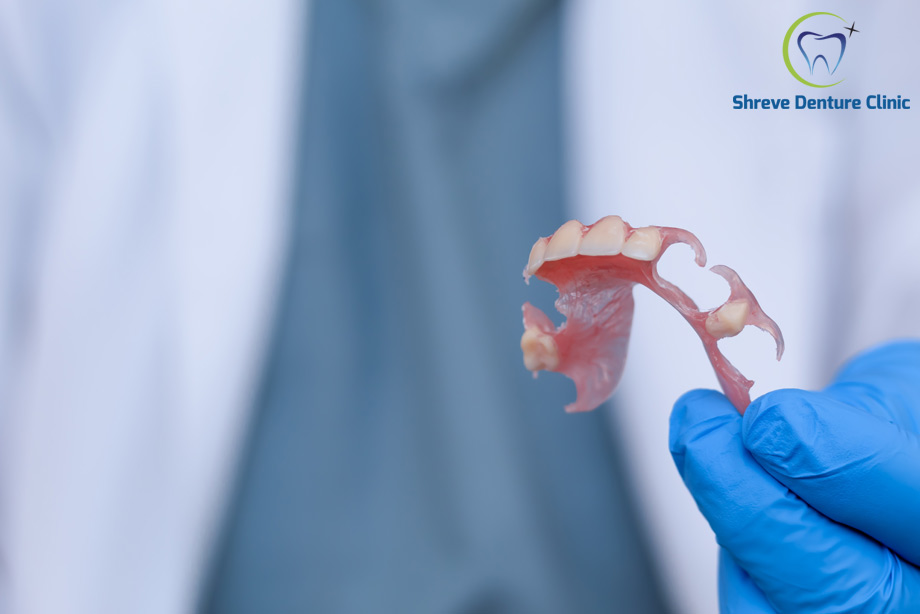
Flexible partial dentures replace one or more missing teeth with a light nylon base instead of rigid acrylic or metal. The base bends with the shape of your mouth. It grips gently around your existing teeth, so nothing digs into your gums. Patients across Leamington and Essex County pick this tooth replacement option for three reasons. It feels thinner, it looks more natural, and it shows no metal clasps. Shreve Denture Clinic builds and finishes every appliance in our on-site dental lab, so we check your comfort at each visit.
What Makes a Flexible Partial Denture Different?
A flexible denture is a removable dental appliance made from injected nylon. Traditional partial dentures use an acrylic base with a cast metal frame inside it. Metal dentures hold the replacement teeth using clasps that hook over your enamel. Those clasps often show at the gumline when you talk. This type of partial denture removes them completely.
Unlike traditional dentures, a flexible partial is one smooth piece of flexible resin. It has no joints, no wires, and no seams that catch food. The resin starts as a solid pellet at the lab. Heat softens it, and a machine injects it into a mould of your mouth.
How the Two Materials Differ
Nylon is thin, strong, and slightly springy. Traditional acrylic is hard, and it cracks if you drop it. Rigid dentures also push chewing force onto the high points of your gum ridge. Sore spots start there. Acrylic dentures need that hardness for strength, so the base has to be thicker.
The nylon base is pink and slightly see-through. It also leaves out the acrylic chemical that irritates sensitive gums in some patients. Acrylic or metal dentures cannot match that see-through look. The colour sits inside the material, not on top, so the shade holds for years.
Benefits of Flexible Partial Dentures for Comfort
Comfort comes down to pressure. A flexible base spreads your bite force over a wider area. It also flexes a little when you chew. Flexible dentures offer a thinner shape as well, which leaves more room for your tongue. Speech settles faster as a result. Most patients find the appliance comfortable to wear within a few days.
Here are the advantages of flexible dentures that patients mention most:
- No metal clasps: Nothing hard rubs against your remaining natural teeth or gums.
- Light and thin: The base feels less bulky than a cast frame.
- Gentle materials: The nylon suits patients who react to acrylic.
- Comfortable fit: The appliance flexes around the natural curves of your gums.
Fit and Aesthetics That Look Like You
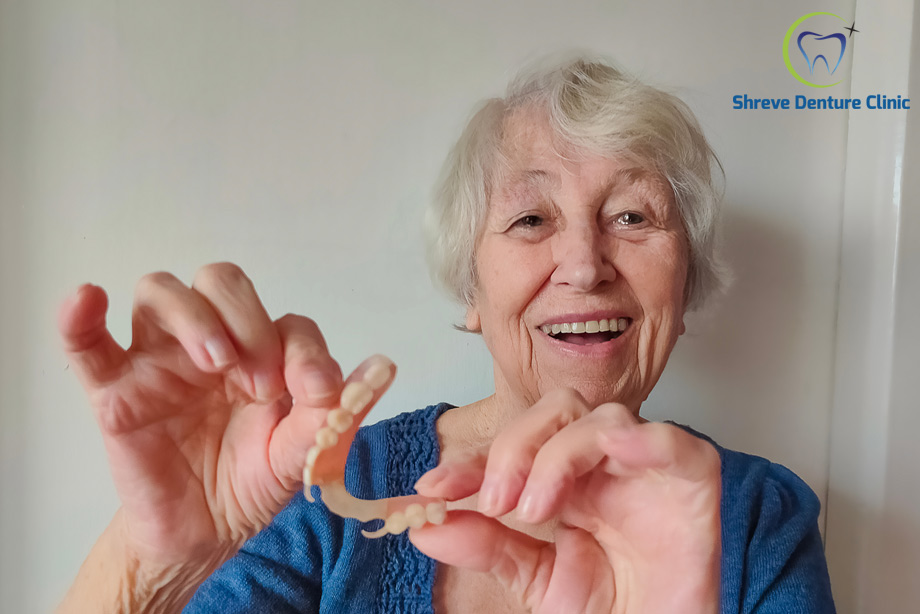
Your jaw moves when you chew, speak, and laugh. Flexible partial dentures are designed to move with it. The clasps are part of the same gum-coloured base. They wrap around the base of your natural teeth instead of hooking over the top. You feel a soft snap when the piece goes in, then light suction holds it there. Most patients stop using adhesive.
Aesthetics improve for the same reason comfort does. Flexible partial dentures blend with your gum tone because your own tissue shows through the pink base. This matters most for front teeth. A metal clasp there would show every time you smile. You get a natural appearance instead of an obvious appliance, and patients tell us the natural-looking result is what sold them.
Placement in Either Arch
A flexible partial works in the upper or lower jaw. Upper ones cover less of the roof of your mouth than a full acrylic plate. You keep more of your sense of taste and temperature. Lower ones sit lighter along the gum ridge. Either way, you take the appliance out at night.
Cons of Flexible Dentures Worth Knowing
Clear information helps you choose well. The disadvantages of flexible dentures are real, and our denturists explain them at every consultation.
- Harder to adjust: Nylon does not take relines or added teeth as easily as acrylic.
- Replaced, not repaired: Bad damage usually means a new appliance instead of a fix.
- Stains if neglected: The surface holds plaque when daily cleaning slips.
- Not for every case: Long gaps or very few remaining teeth may need a rigid frame.
Compared to traditional designs, the flexible option trades easy adjustment for comfort. An acrylic partial gives a firmer bite platform. Flexible dentures may feel less solid to patients who want that firmness.
When Another Option Fits Better
A cast frame may last longer if you grind at night or have a heavy bite. If you are losing teeth across a wide span, implant supported dentures anchor to dental implants placed by an oral surgeon. Your dentist advises on the implants. Our denturists build and fit the denture that sits on top. Discuss both routes before you settle on one dental solution.
Care Keeps the Fit and the Colour
Flexible dentures are removable, so cleaning is simple. The routine takes five minutes a day.
Your Daily Cleaning Routine
- Rinse the appliance under cool water after every meal.
- Brush it with a soft denture brush and a gentle cleanser, never regular toothpaste.
- Soak it overnight in a solution made for flexible partials.
- Keep it wet at all times, because dry nylon loses its shape.
- Brush your natural teeth and gums separately, morning and night.
Habits to Avoid
Hot water, bleach, and alcohol rinses damage nylon. Heat warps the base for good. Keep your dentures in a covered case with cool water when they are out. With steady care, partial dentures can last several years. Flexible partial dentures can last five to eight years before you need a new set. Our guide on caring for your dentures covers storage and travel.
Are You a Candidate for Flexible Partial Dentures?
This option suits people missing a few teeth in one jaw, with healthy teeth on both sides of the gap. Patients seeking a lighter appliance often ask for this type of denture first. So do patients who react to acrylic. It also works as a short-term solution for missing teeth while your gums heal after extractions.
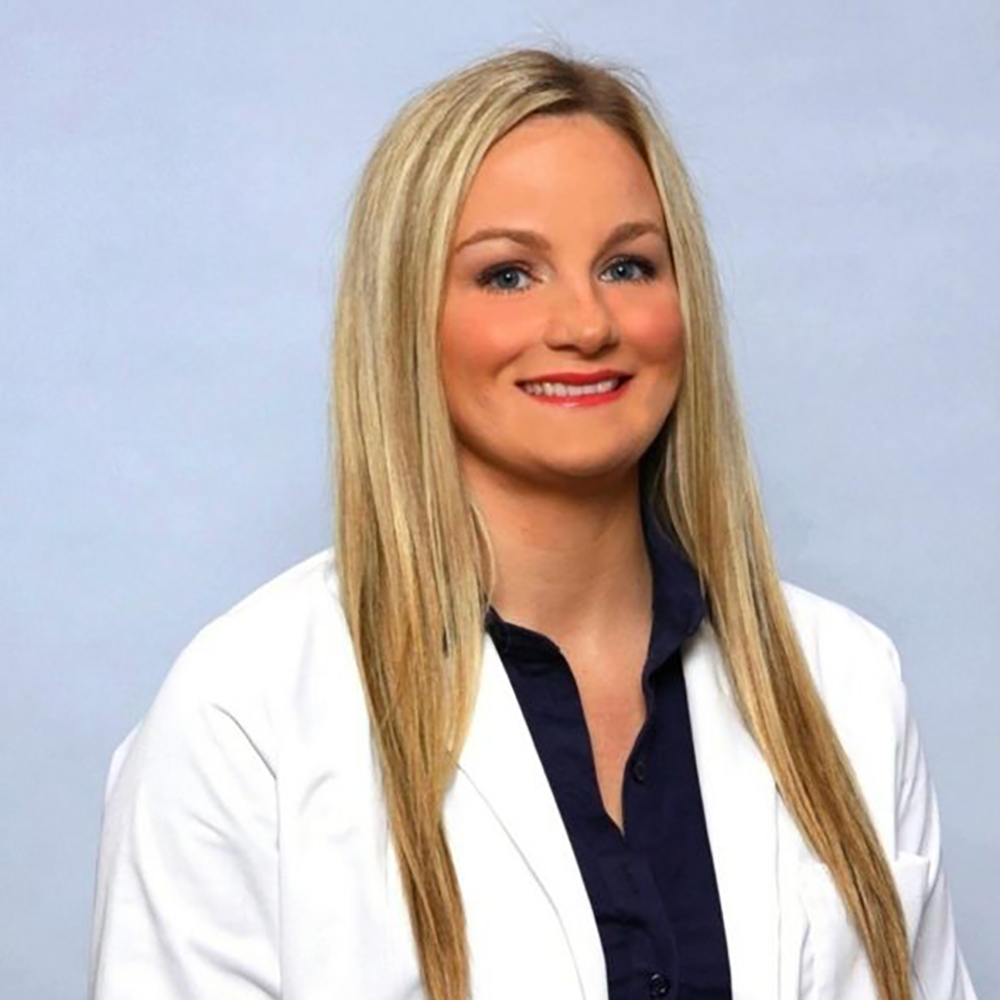
The right choice depends on your gum health, bone support, and bite. Kristin Shreve Swayze DD checks all three during a free consultation. She then explains your denture options in plain words. If a flexible partial is not the right solution for replacing missing teeth, we walk you through partial dentures with a cast frame and full dentures instead. Every denture made here is matched to your dental needs, not to a template.
Local Care With an On-Site Lab
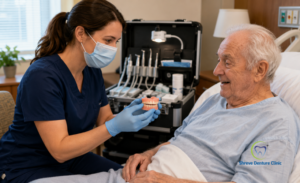
Our lab sits inside the clinic at 221 Talbot St W in Leamington. That saves time on adjustments. It also gives our denturists direct control over shade, tooth shape, and clasp placement. We serve Leamington, Kingsville, Essex, Harrow, Belle River, Wheatley, and Chatham-Kent. We also visit nursing homes by appointment.
Cost is a fair question, and we answer it at your first visit. Coverage varies by plan, and the Canadian Dental Care Plan now helps many Ontario patients. You get a written estimate before any work begins, and no referral is required.
Book Your Free Consultation With Shreve Denture Clinic
Flexible partial dentures offer a comfortable way to replace missing teeth, protect your existing bite, and restore your smile without visible metal. Shreve Denture Clinic has served Essex County families since 2010. Our team brings more than 85 years of combined dental experience to every case.
Call (519) 322-5900 or contact us to book a free consultation and find out whether flexible partial dentures fit your smile.